CULTURAL
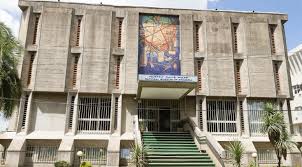
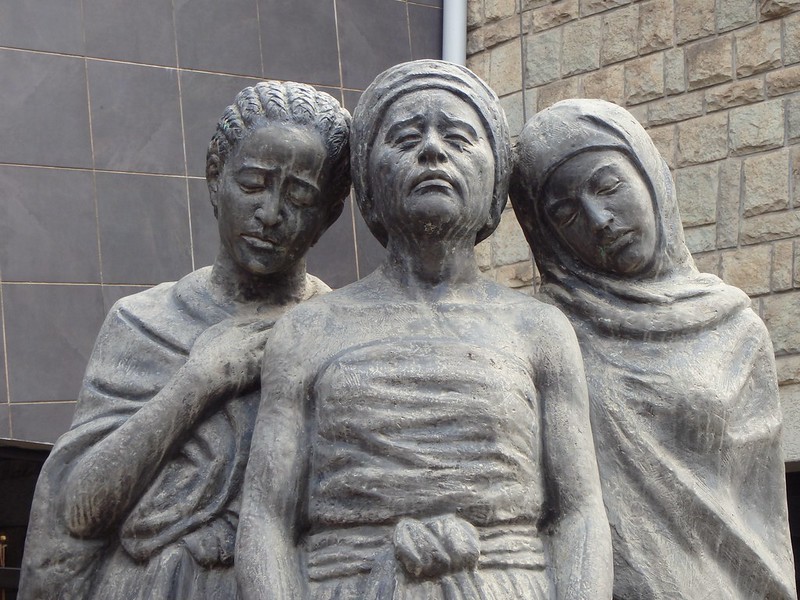
Red Terror Martyrs Memorial
Memorial to victims of political persecution
4.4(156 reviews)
60-90 min
9.0258° N, 38.7469° E
Your Gateway to Ethiopia's Treasures
Memorial to victims of political persecution
Ethiopia is the only African nation that was not colonized by an European country. It kept its independence as a Sovereign State, with the exception of the period between the years 1936 and 1941, when it was occupied by Italy in the context of the Second World War. In the 1970s, the administration of the Ethiopian emperor Haile Selassie, which started in 1930, faced a public discontent as a consequence of the hungers between 1972 and 1974. In this context, a group of dissenting officials created a Provisional Military Administrative Council, known as “Derg”, that overthrew the emperor in 1974 and declared the Socialist state. The new administration, led by Mengistu Haile Mariam, was supported by the Soviet Union and nationalized banks, industries and foreign companies. Later, the political leadership of the Derg was divided in two parts, one of them created the Ethiopian People’s Revolutionary Party (EPRP) and declared that the Derg had betrayed the revolution. In 1977, Mengistu organized armed militias to carry out a repression campaign against the EPRP and all the opposition, which was known as the “Red Terror”: Between 1977 and 1978 thousands of people were victims of out-of-court executions, enforced disappearances and severe tortures. The organization Amnesty International estimates that about 500,000 people were killed during this period. The Soviet Union collapse reduced the external help that Ethiopia received. The financial crisis and the questioning of the military government led to the toppling of the government in 1991 by a political coalition named the Ethiopian People’s Revolutionary Democratic Front (EPRDF). Mengistu was exiled in Zimbabwe, and in 2007 he was judged and declared guilty of genocide by the Supreme Court of Ethiopia. Location: Bole Sub-city, Addis Ababa, Ethiopia Memorial to victims of political persecution