
VERIFIED
ReligiousReligious Heritage
Entoto Debre Hayl Saint Raguel Church
(0)
Where Faith, History, and the Birth of Addis Ababa Meet
VERIFIED
HistoricalCultural
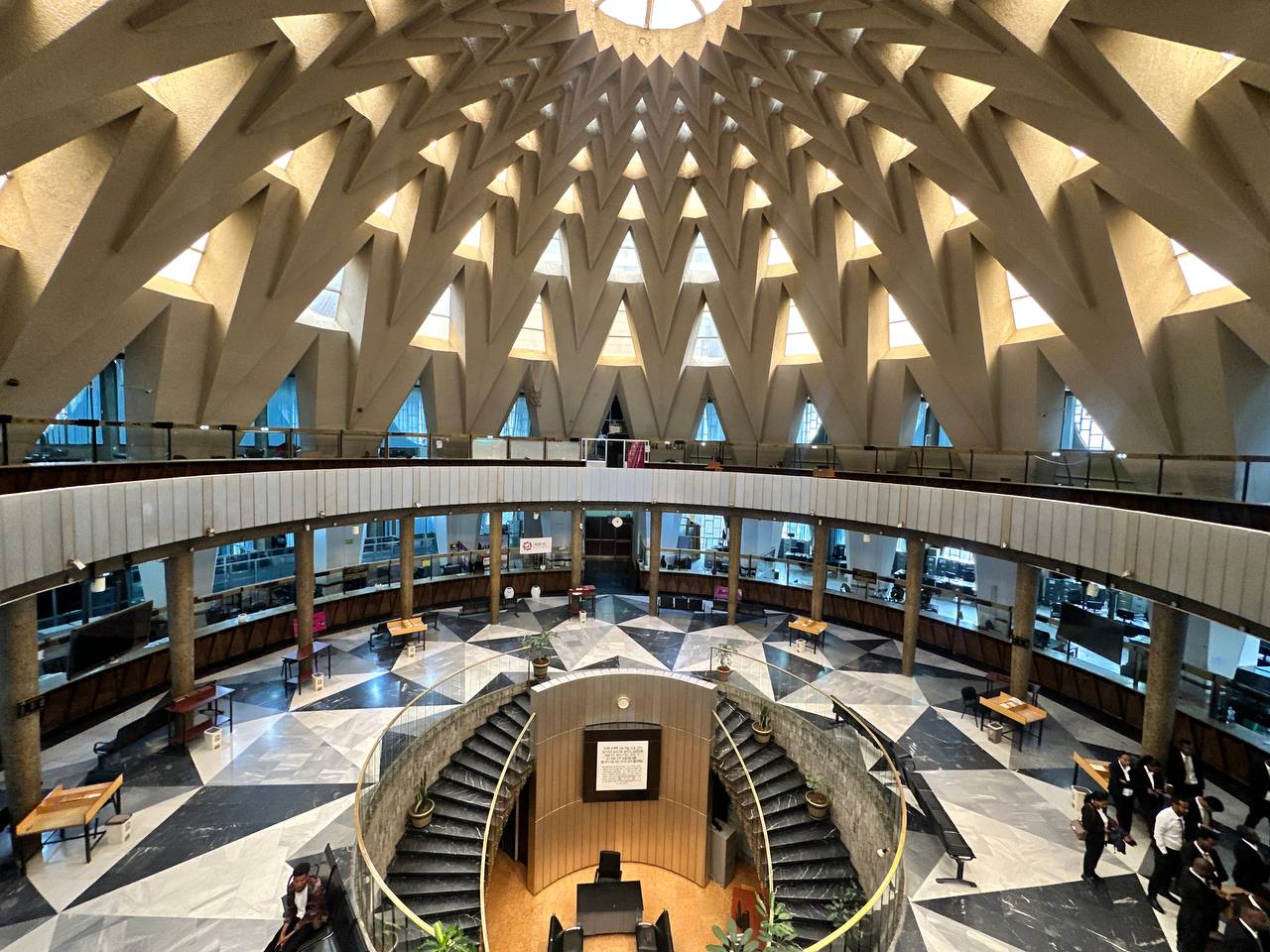
The Golden Building of the Commercial Bank of Ethiopia
(0)
A Golden Symbol of Ethiopia’s Modern Rise
VERIFIED
Cultural
Hager Fikir Theatre
(0)
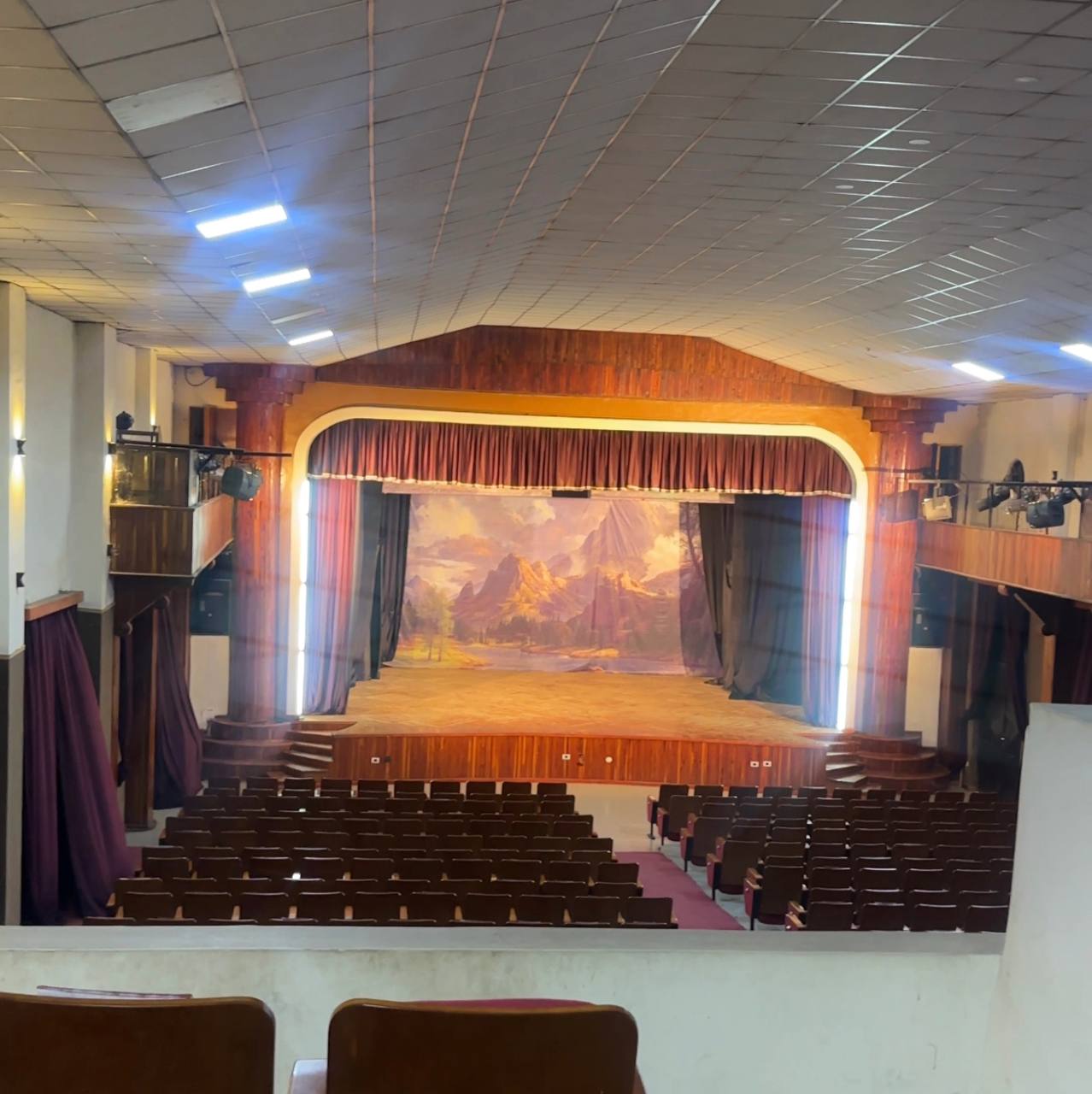
🎭 Discover Hager Fikir Theatre Located in the historic Piazza district of Addis Ababa, Hager Fikir Theatre is more than just a building — it is the birthplace of modern Ethiopian art and one of Africa’s most iconic cultural landmarks. Founded in 1935, this legendary theatre is widely recognized as Africa’s first indigenous theatre, where storytelling, music, and drama became powerful tools of unity and resistance. 🇪🇹 A Stage of Patriotism and Identity During Ethiopia’s struggle against Italian occupation, Hager Fikir became a symbol of resilience. Artists used poetry, music, and drama to inspire courage and secretly communicate resistance messages. Here, art was not just entertainment — it was a weapon of freedom. 🎶 The Birthplace of Ethiopian Music & Theatre Hager Fikir Theatre launched the careers of some of Ethiopia’s most legendary artists and played a key role in shaping modern Ethiopian music. From traditional Azmari performances to the rise of Ethio-jazz and modern pop, this stage has witnessed the evolution of Ethiopian sound and storytelling. 🏗️ A Unique Architectural Experience Blending Italian colonial design with Ethiopian cultural identity, the theatre features a classic proscenium stage, balcony seating, and an intimate auditorium that brings audiences closer to the performance. Originally a warehouse, it was transformed into a vibrant cultural hub — a symbol of adaptation and creativity. 🎟️ Why Visit Hager Fikir Theatre? 🎭 Experience live Ethiopian theatre and performances 🎶 Discover the roots of Ethiopian music 📜 Learn about Ethiopia’s resistance and cultural history 📸 Explore one of Addis Ababa’s most iconic heritage sites
VERIFIED
Imperial History
Blatten Geta Heruy Wolde Selassie Residence
(0)
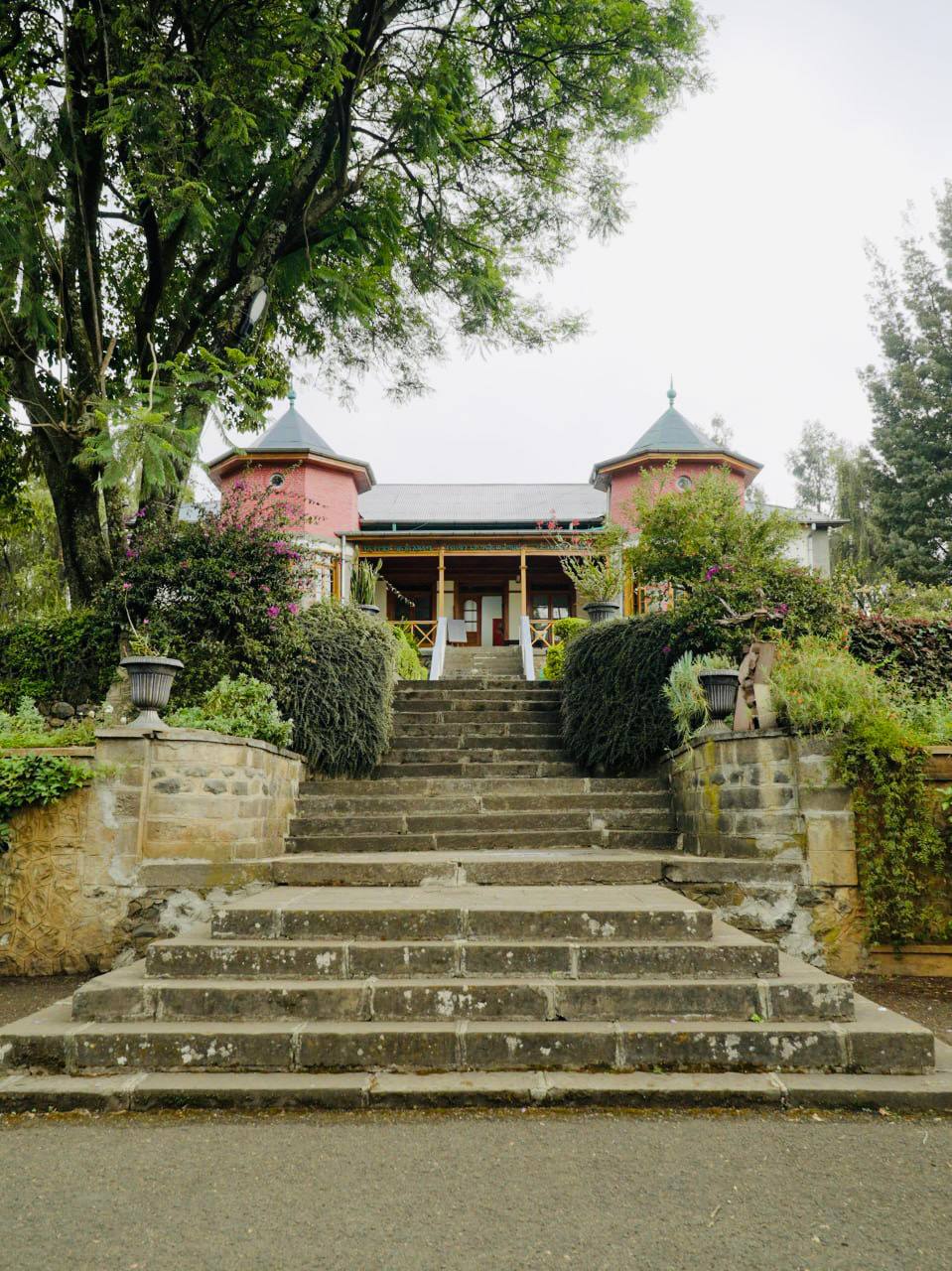
The residence of Blatten Geta Heruy Wolde Selassie is one of Addis Ababa’s important historic houses from the early 20th century. Built in the late 1920s, the building reflects a unique blend of Ethiopian aristocratic architecture and early European design influences. Once the home of one of Ethiopia’s most influential intellectuals, writers, and diplomats, the residence served as a center for political discussions and cultural exchange during a key period of Ethiopia’s modernization. Today, the building is preserved as part of the Ethiopian Academy of Sciences and stands as a symbol of Ethiopia’s intellectual and architectural heritage.